The Bedoul

Soul of Petra

Guardians of Petra

More than inhabitants

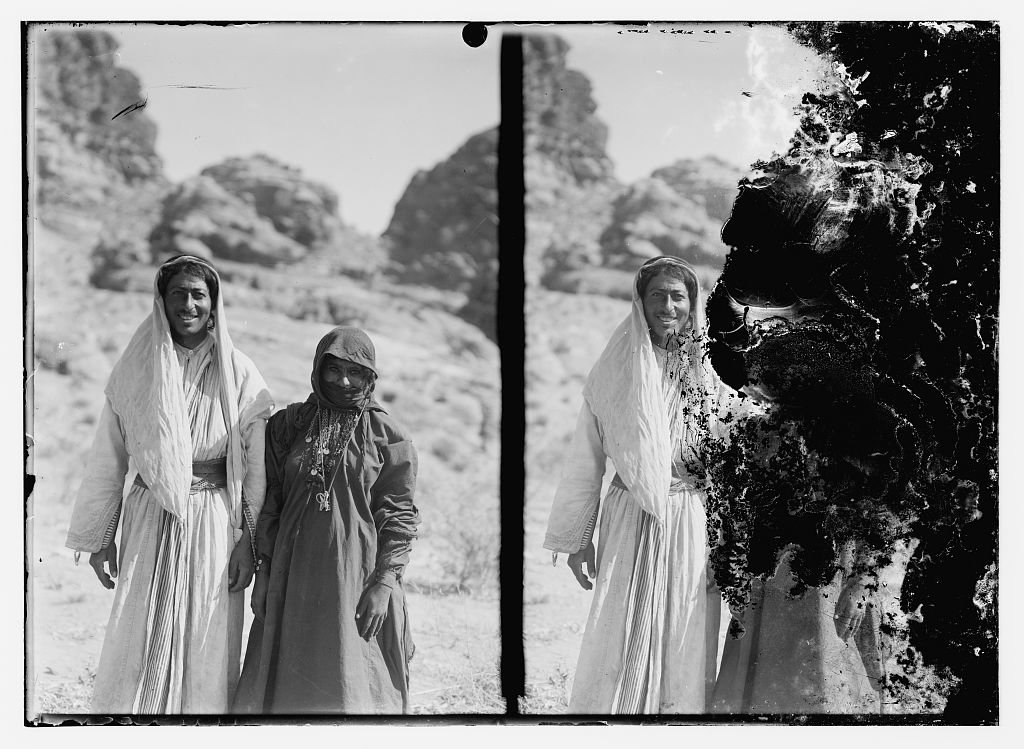
The Bedoul Bedouins

 (also called “al-Bdoul“, sometimes written Bdul or Bedul) are closely linked to Petra, considered a living and authentic part of the site’s intangible cultural heritage and its historical guardians for centuries.

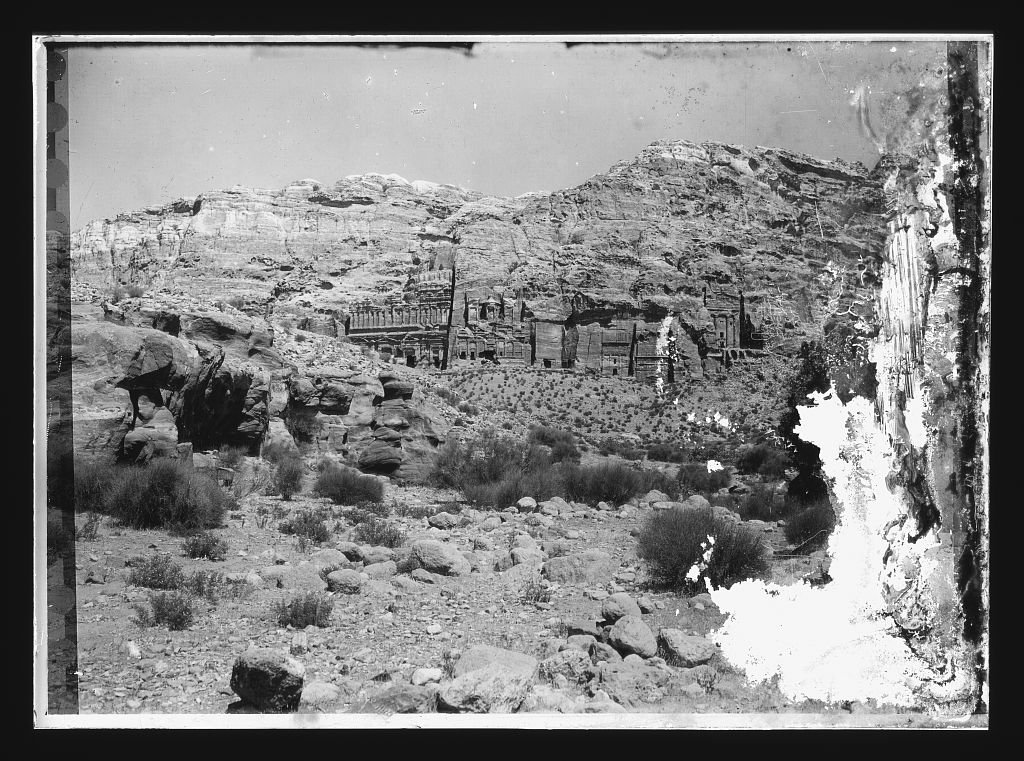
The presence of the Bdul tribe in the Petra region dates back at least to the early 19th century, when they gradually settled inside the Rose City itself and in the surrounding caves and valleys, primarily migrating from southern and central Jordan.

According to ethno-historical studies conducted by the Jordanian Department of Antiquities and numerous Western researchers (including Bienkowski and others), the Bdul relied on a mixed economic system that combined: Herding goats and sheep, Limited seasonal agriculture (barley and wheat) in the fertile silt areas inside the Siq and Wadi Musa, Clever exploitation of ancient Nabataean infrastructure: using dams and channels to control flash floods and protect their fields from erosion, paved roads and staircases for movement, and cisterns and wells to secure water supplies.

This intelligent adaptation to the harsh rocky environment effectively made them the “natural guardians” of the archaeological site for over 200years.

at first, they contributed to protecting the site from looting and destruction, and they passed down oral knowledge of place names, hidden passages, and springs from generation to generation.

This knowledge proved invaluable to the earliest explorers and archaeologists (such as Johann Ludwig Burckhardt in 1812), helping them rediscover Petra and understand its complex topography

Sheikh

Imqabel Abu Zeitun

Sheikh Imqabel Abu Zeitun was one of the most prominent leaders of the Bedul in Petra during the early nineteenth century, remembered as a strong and influential figure in the region. He lived during a period marked by shifting tribal alliances, and his name appears frequently in the accounts of many Western travelers who visited Petra and documented their encounters with him. Among them was Henry Formby, who created a well-known sketch of him during his 1840 visit.

Relocating to Um Sayhoun

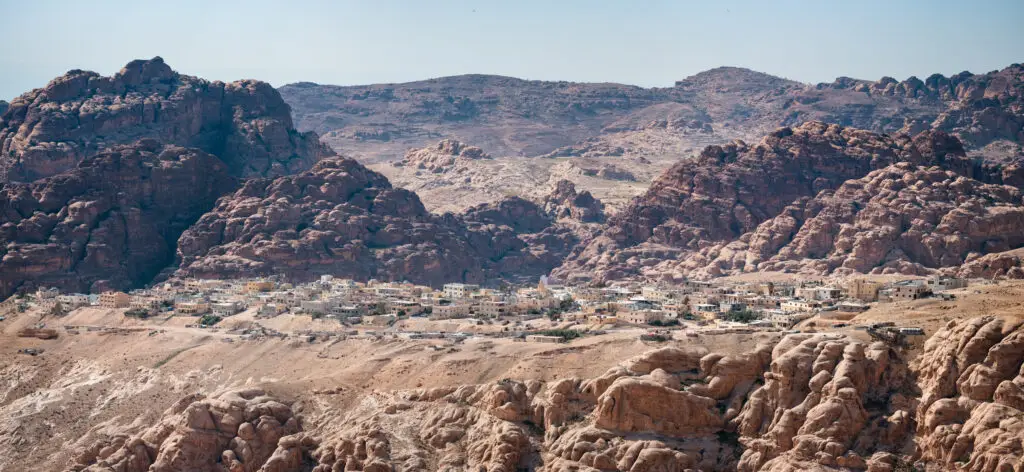
After Petra was designated a World Heritage Site in 1985, the Jordanian government, in agreement with members of the Bedul community at the time, launched a resettlement initiative to move the Bedul to the village of Umm Sayhoun north of Petra. This included the construction of modern housing and infrastructure such as sanitation, electricity, and schools. 

Despite the challenges of resettlement, the Bedul have preserved their renowned tradition of hospitality, warmly welcoming visitors with cardamom coffee and tea served in their homes or tents. This generous custom, rooted in centuries-old desert values of karam and diyalah (generous hospitality), remains a living expression of their intangible cultural heritage and continues to enchant tourists in Petra and Wadi Rum today.

The Bedoul Bedouins are not mere inhabitants; they are an integral part of Petra's fabric, linking the Nabataean past to the present. They play a prominent role in preserving the site due to their profound knowledge of all its details and their deep emotional connection to it.

The Intangible Cultural Heritage of Humanity

In 2008, UNESCO inscribed the “Cultural Space of the Bedouin in Petra and Wadi Rum” (including the Bedul) on the Representative List of , in close cooperation with Jordan’s Department of Antiquities.

This living heritage encompasses their profound knowledge of desert flora and fauna, traditional herbal medicine and healing practices, expert camel husbandry and breeding, the craftsmanship of weaving and pitching the traditional black goat-hair tent (beit al-sha’ar), and exceptional skills in tracking, navigation, and rock-climbing across the region’s rugged terrain. It also preserves their rich oral traditions, including poetry (notably the Nabati and Al-Taghrooda forms), storytelling, folklore, songs, and dances performed during celebrations and camel races, as well as their customary law and social codes that have sustained community cohesion for centuries.